Learning to notice, savor, and appreciate the gifts hidden in ordinary moments.
“Gratitude is an emotion that reflects our deep appreciation for what we value, what brings meaning to our lives, and what makes us feel connected to ourselves and others. While gratitude is an emotion, if we want to experience its full power, we must also make it a practice.” — Brené Brown
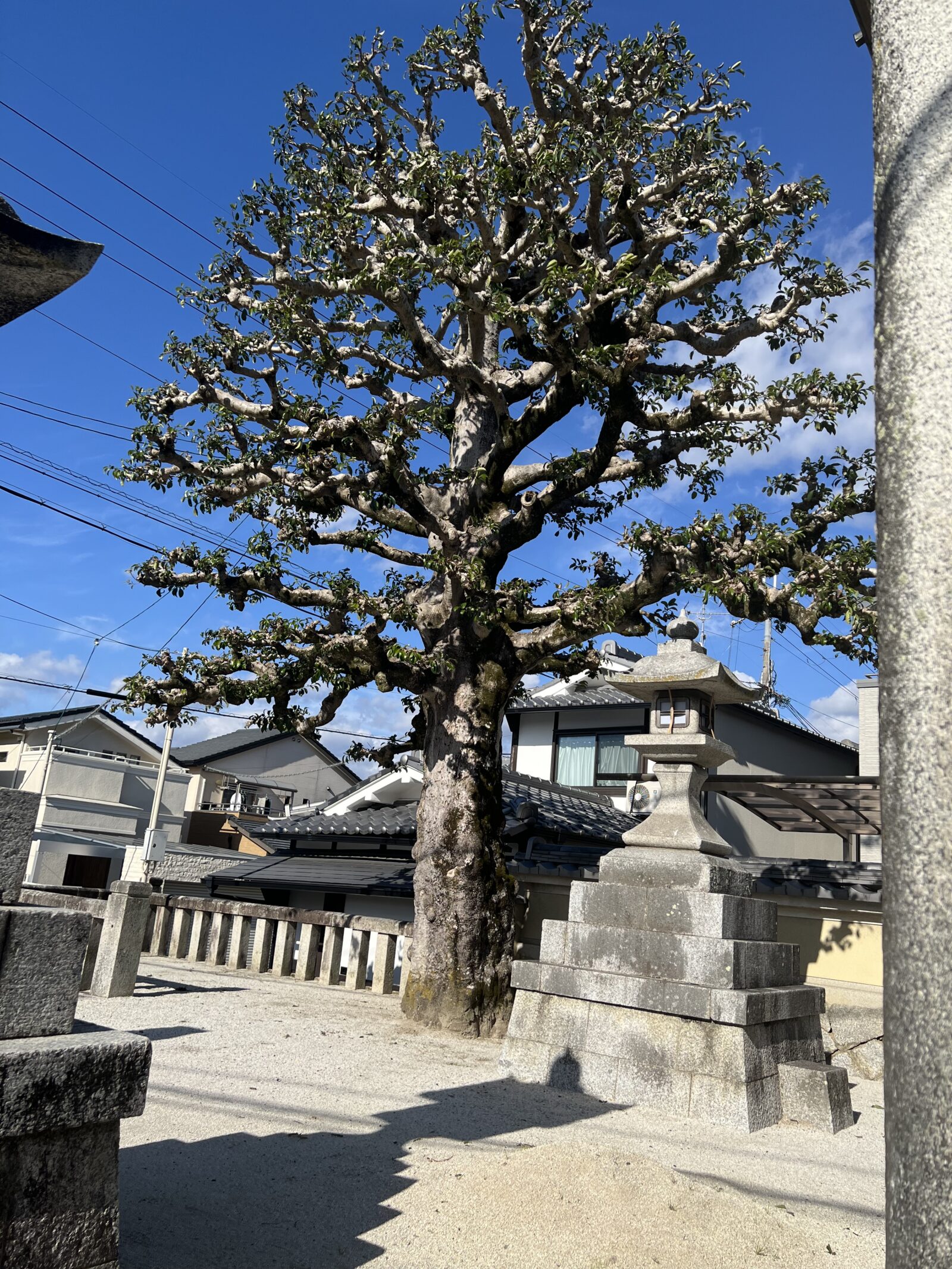
When I began a daily gratitude practice with a friend in 2019, I was surprised by how difficult it was. Every day we shared three things we were grateful for, and I struggled. Even after several months, I still found myself searching for the “right” answers. Somehow, what I was grateful for never seemed significant enough. I thought gratitude had to be something extraordinary.
What I eventually realized was that the problem wasn’t a lack of things to appreciate—it was that I had been overlooking them.
Like mindfulness, gratitude is a skill we develop. We first have to notice what is already here before we can appreciate it. Then we have to slow down long enough to savor it.
More Than a List
Sometimes my gratitude practice slips into becoming another task on my to-do list. I complete it because I have two gratitude buddies and feel obligated. When that happens, it loses its heart.
But everything changes when I remember that the purpose isn’t simply to make a list—it’s to actually feel gratitude in my body. Then gratitude becomes something I notice throughout the day. Gratitude moves from being a daily task into a way of living a life of appreciation.
“I can’t wait to share this on my gratitude list.”
Instead of checking off another task, I’m collecting moments of appreciation.
Gratitude Is Already Here
We often think gratitude depends on having more—more money, more success, better relationships, better circumstances. But gratitude isn’t dependent on what you have. It isn’t pretending life is perfect—it is learning to appreciate the life you already have.
Gratitude welcomes what is given. It doesn’t know stories about how life should have been. It often arrives unexpectedly.
After recovering from a painful toothache, we’re deeply grateful for our non-toothache.
Walking outside, we suddenly notice sunlight filtering through the trees—a sight we’ve passed hundreds of times without seeing.
Nothing changed except our awareness.
Letting Go of “How It Should Be”
Imagine going to Thanksgiving dinner with a picture in your mind of the perfect gathering—everyone getting along, deep conversations, feeling connected to every family member. If reality doesn’t match that picture, gratitude becomes difficult.
But if we let go of our expectations and simply become grateful for whatever moments of connection or kindness do arise, our experience changes. Gratitude doesn’t require perfection. It only requires presence.
Gratitude Comes from the Heart
Gratitude is ultimately a matter of the heart. Sometimes we even discover gratitude for the sorrows in our lives. Often, it is through our greatest hardships that we learn our most important lessons.
Some of the happiest, most grateful people live with far fewer possessions than we do. They are not focused on what they lack. They appreciate what they have.
As M. J. Ryan beautifully writes:
“Gratitude is like a flashlight. It lights up what is already there. You don’t necessarily have anything more or different, but suddenly you can actually see what is. And because you can see, you no longer take it for granted.”
When we begin noticing what is already good, our perspective naturally expands. We stop feeding only the brain’s negativity bias and begin strengthening our capacity for joy, appreciation, and contentment.
What Gets in the Way?
The greatest obstacles to gratitude are often resentment, bitterness, and our expectations about how life should be. When reality doesn’t match the stories we’ve created, we contract. Our minds become Velcro for the negative.
We replay the awkward comment we made. The criticism someone offered. The disappointment we experienced.
The many good moments disappear into the background.
It’s difficult to feel grateful while we’re caught in resentment.
Sometimes, though, we simply don’t feel grateful. Pretending otherwise isn’t helpful. Forcing gratitude often backfires because we’re trying to create an emotion that isn’t there. Instead, we judge ourselves for not feeling what we think we should feel.
The invitation is much gentler. Accept what is here. Let go of the story that says, “I should be grateful.” As the old saying goes, we can be “knee-deep in a river and drowning from thirst.” We may already have abundant goodness surrounding us—we simply aren’t seeing it.
Four Ways to Cultivate Gratitude
- Notice
Begin by noticing—not forcing.
Notice the blue sky.
Notice the leaves moving in the wind.
Notice your breath.
Notice whether gratitude is present or absent.
Mindfulness prepares the soil in which gratitude grows.
Ask yourself:
What am I genuinely grateful for—not what I think I should be grateful for?
Sometimes it’s as simple as someone holding the door open, a warm cup of coffee, your cold finally being gone, or sunlight shining through your window.
- Allow
Slow down enough to savor what is pleasant.
When you notice something beautiful, linger for twenty or thirty seconds instead of immediately moving on.
A tree.
Birdsong.
A smile.
The warmth of the sun.
Often what first appears neutral becomes deeply pleasant when we give it our full attention.
At Oakhill Correctional Institution, there are two magnificent oak trees near the classroom. When I ask the men whether they noticed them on the walk to class, almost everyone says no. After encouraging them to really look, they begin seeing their beauty. Our brains can be retrained to become Velcro for the good instead of Teflon.
- Act
When we’re in a very negative emotional state, gratitude can feel impossible. Sometimes we first need to lift our mood.
Play your favorite music.
Dance.
Smile.
Call someone you love.
Perform a small act of kindness.
Do something that opens your heart.
As Rick Hanson writes:
“Many thank-you’s involve little things in the flow of life... Let these small moments matter to you. Feel your thanks in your chest and throat. When you say your thanks, try to let them show in your eyes. Life is made up of moments, beads on a golden chain; what are you stringing together?”
- Think
Spend time reflecting on everything that enriches your life.
A pain-free day.
A beautiful sunset.
Someone who loves you.
The ability to walk.
Clean water.
Your morning coffee.
Rather than writing a long list, choose a few things and spend time really feeling your appreciation for them.
Reflections to Spark Gratitude
Take a few quiet moments with one or two of these questions:
- When were you truly proud of yourself?
- What is the nicest compliment you’ve ever received?
- What sound brings you immediate joy?
- Has a piece of music ever deeply moved you?
- What never fails to make you laugh?
- What is the most beautiful sunset you’ve ever witnessed?
- What possession has little monetary value but enormous meaning?
- What was one of the best days of your life?
Other Reflections
- Consider the thousands of people you’ve never met whose work makes your life easier every day.
-
- The farmers who grew your food.
- The people who maintain the roads.
- The sanitation workers.
- The engineers who designed your car.
- The people who built your home.
2. Instead of simply saying, “I’m grateful for my family,” recall one specific moment of connection with someone you love. Specific gratitude is heartfelt gratitude.
Gratitude Is a Way of Living
Practicing gratitude isn’t about ignoring pain or pretending everything is wonderful. It isn’t about forcing an emotion that isn’t there. It’s about training ourselves to notice, savor, and appreciate the goodness that already exists alongside life’s inevitable difficulties.
Sometimes our gratitude practice grows stale. We begin listing things mechanically or focusing on what we think we should appreciate.
Instead, write about fewer things. Feel them more deeply.
Because gratitude isn’t measured by the length of your list. It’s measured by the openness of your heart. While gratitude cannot erase suffering, it can provide the steadiness and energy we need to meet it with greater resilience.
The more we cultivate gratitude during ordinary days, the more available it becomes when life becomes difficult. Living with gratitude allows us to remain amazed by everyday life.
To notice beauty.
To appreciate ordinary moments.
To love the life that is already here.
And little by little, we become more grateful human beings.